
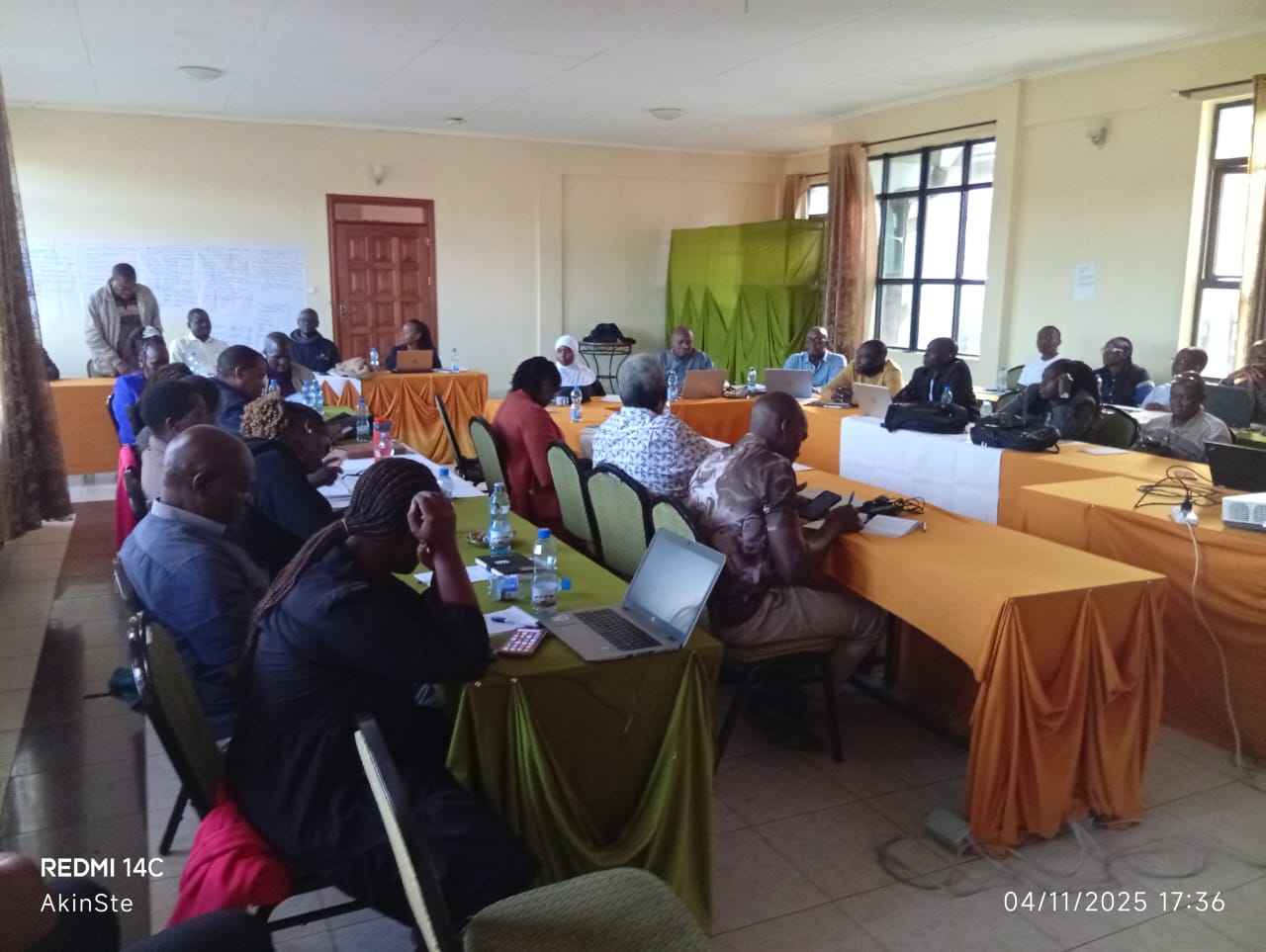
Digital transformation is reshaping industries across the globe, and agribusiness is no exception. From smallholder farming systems to large agricultural value chains, digital technologies are changing how food is produced, processed, distributed, and consumed. However, while the potential of digital tools in agriculture is significant, many agribusinesses struggle to turn innovation into measurable results. Technology alone is not enough. Effective digital transformation requires strategy, sector knowledge, and practical implementation—this is where consulting firms such as Keimap play a critical role.
Digital Transformation in the Agribusiness Context
Agribusiness operates in a uniquely complex environment. It is influenced by climate variability, fragmented supply chains, regulatory requirements, limited access to finance, and varying levels of digital literacy among farmers and agribusiness actors. Digital transformation in this sector goes beyond adopting farm management software or mobile applications; it involves rethinking entire value chains to improve productivity, resilience, and market access.
Consulting firms help agribusinesses understand how digital tools can address real challenges such as low yields, post-harvest losses, traceability gaps, and inefficiencies in aggregation and distribution. By grounding digital solutions in agricultural realities, consultants ensure that transformation efforts deliver practical and sustainable impact.
Developing a Clear Digital Strategy for Agribusiness
One of the biggest challenges facing agribusinesses is the absence of a coherent digital strategy. Many organizations implement isolated digital solutions—such as data collection tools or market platforms—without a clear roadmap. This often results in duplication, underutilization, and limited return on investment.
Agribusiness consulting firms like Keimap support organizations in developing comprehensive digital strategies aligned with business objectives and sector needs. This begins with assessing digital readiness across the value chain, from production and aggregation to processing and market linkage. Consultants then help prioritize initiatives that offer the greatest value, such as digital extension services, supply chain traceability systems, or data-driven decision tools.
By aligning digital investments with agribusiness goals, consulting ensures that technology adoption is strategic rather than experimental.
Bridging Technology and Agricultural Value Chains

A common challenge in agribusiness digital transformation is the gap between technology providers and agricultural stakeholders. Many digital tools are developed without sufficient understanding of farming systems, leading to low adoption and limited impact.
Consulting firms act as intermediaries between technology and agriculture. Keimap, for example, combines agribusiness expertise with digital innovation to ensure solutions are practical, scalable, and user-friendly. Consultants translate the needs of farmers, cooperatives, processors, and buyers into functional digital requirements, while also guiding technology partners to adapt solutions to local contexts.
This bridge between technology and agriculture is essential for ensuring that digital solutions are not only innovative but also usable and inclusive.
Optimizing Agribusiness Processes Through Digital Solutions
Digital transformation provides an opportunity to improve efficiency across agribusiness operations. However, simply digitizing existing inefficiencies rarely leads to meaningful improvement. Consulting firms help agribusinesses redesign processes before applying technology.
Keimap supports agribusiness organizations in optimizing processes such as farmer registration, input distribution, aggregation, quality control, and logistics. By streamlining workflows and introducing digital tools where they add value, organizations can reduce operational costs, improve transparency, and enhance coordination across the value chain.
Process optimization ensures that digital tools strengthen agribusiness operations rather than adding complexity.
Strengthening Data-Driven Decision Making in Agriculture
Data is a powerful asset in agribusiness, yet it is often underutilized. Data on production, weather, prices, and farmer performance may exist, but it is frequently fragmented and poorly analyzed.
Consulting firms help agribusinesses harness data to improve decision-making. Keimap works with organizations to design data systems that support planning, monitoring, and evaluation across agricultural programs and commercial operations. This includes setting up data collection frameworks, dashboards, and analytics tools that provide actionable insights.
With reliable data, agribusiness leaders can make informed decisions on resource allocation, risk management, and market engagement.
Managing Change and Building Digital Capacity
One of the most overlooked aspects of digital transformation in agribusiness is human capacity. Farmers, field officers, and agribusiness staff may have limited exposure to digital tools, leading to resistance or low adoption.
Consulting firms play a vital role in change management and capacity building. Keimap supports organizations through training, stakeholder engagement, and ongoing technical support to ensure successful adoption of digital solutions. By building digital literacy and confidence, consultants help agribusiness actors see technology as an enabler rather than a barrier.
This people-centered approach is essential for sustainable digital transformation.
Supporting Inclusive and Sustainable Agribusiness Transformation
Digital transformation in agribusiness must be inclusive and sustainable to deliver long-term impact. Consulting firms help ensure that digital initiatives consider gender, youth, smallholder inclusion, and environmental sustainability.
Keimap integrates these considerations into its consulting approach by designing digital solutions that are accessible to diverse users and aligned with sustainable agriculture practices. This ensures that digital transformation contributes not only to profitability but also to social and environmental outcomes.
Reducing Risk and Ensuring Long-Term Impact
Agribusiness digital initiatives often involve significant investment and uncertainty. Consulting firms help reduce risk by applying proven frameworks, piloting solutions, and scaling what works.
By supporting continuous improvement and long-term capability building, firms like Keimap ensure that digital transformation is not a one-off project but an ongoing process of innovation and learning.
Conclusion
Digital transformation has the potential to fundamentally reshape agribusiness, improving productivity, resilience, and market integration. However, achieving these outcomes requires more than technology adoption—it requires strategic guidance, sector expertise, and effective change management.
Agribusiness consulting firms such as Keimap play a critical role in driving successful digital transformation by aligning technology with agricultural realities, strengthening value chains, building data-driven capabilities, and empowering people. As agribusiness continues to evolve in a digital world, consulting will remain a key catalyst for sustainable and inclusive growth.

Leave a Reply